
memory & its (dis)comforts
a redux on a past essay on nirvanna the band and a reflection on friendships & sickness

Recently, I wrote an essay titled “Nirvanna the Band the Show the Movie & The (Dis)comforts of Memory.”
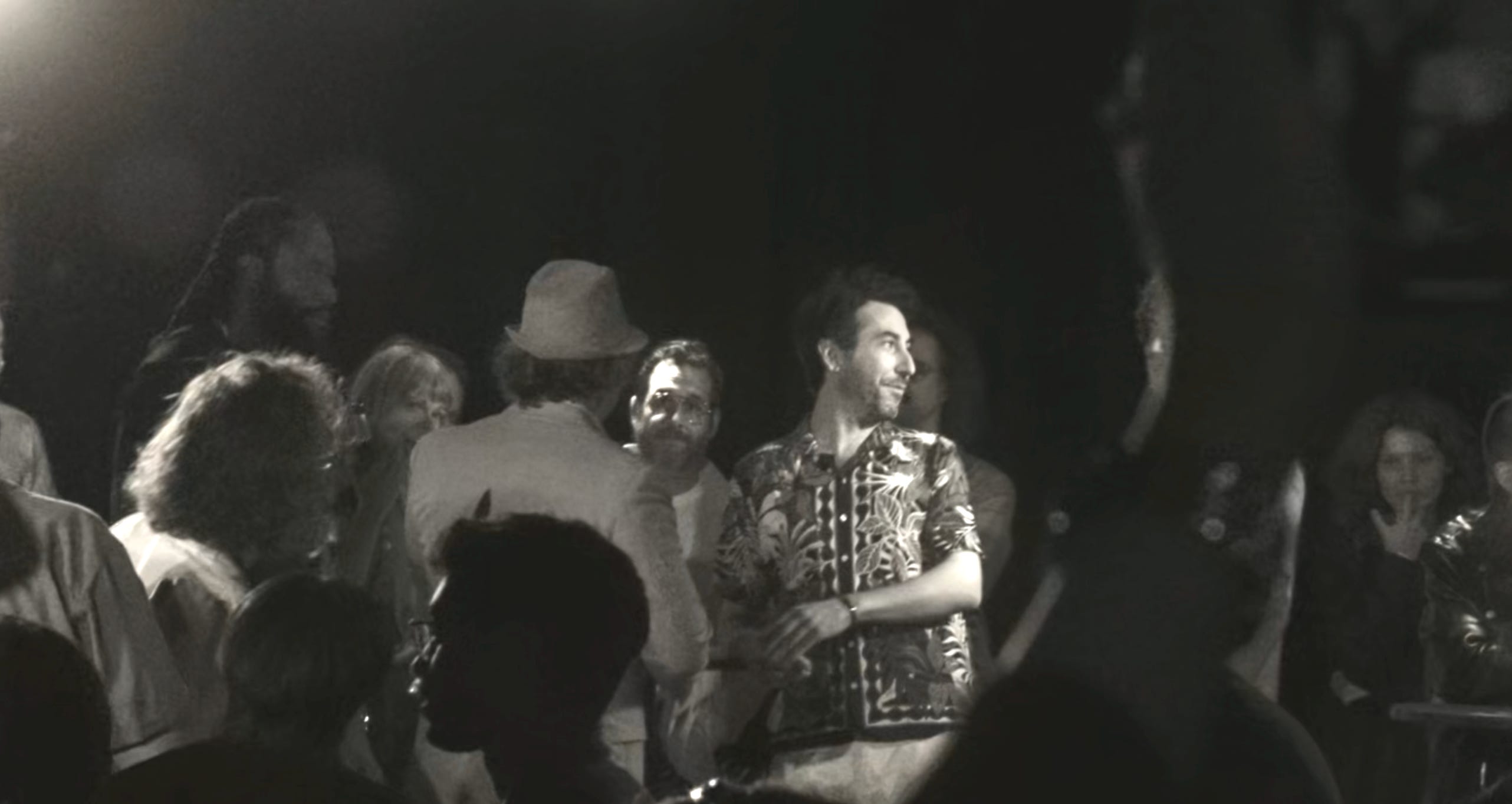
In this essay, I explored how the movie, like the show, inserts past unseen memories from the main characters to recontextualize the present narrative beats. The black-and-white flashbacks with slowed-down dialogue are meant to be funny, but at the same time there’s an underlying cruelty to them.
I examined the example of Jay remembering how he treated his best friend, Matt. As an audience, we initially see a brief version of their rather cordial interaction, but later, as Jay reflects on his friendship with Matt, we see a flashback to that interaction in which Jay insults Matt, calling him “mentally ill” and “a bit fat.”
I found it fascinating how memory, in this case, functions twofold: creating discomfort through its inaccuracy and offering comfort by eliciting humor. Importantly, these memories serve as a catalyst for Jay to seek out Matt again and repair their friendship.
Throughout this year, memory has been a recurring theme that I can’t seem to escape. Even when I was writing about Interview with the Vampire, I was struggling to grapple with the show’s claim that “memory is a monster” and that confronting its failures is necessary for growth. During my last months in college, I was surrounded by peers who wrapped themselves up in nostalgia, reminiscing on their favorite memories of being at school.
Recently, on a flight back home, I went through my photo album and deleted hundreds of photos with people I no longer speak to. Some I removed with clinical precision, as if I were trying to give myself the Eternal Sunshine of the Spotless Mind operation. I clicked delete on those photos, knowing those memories would be lost forever, and felt little remorse.
But others were a little more difficult. I hesitated to delete them, my thumb hovering above the trash can icon as I grappled with whether it was the right choice.
I consider myself a relatively sentimental person. My junk journal is bursting at the seams with movie tickets, concert wristbands, and coffee shop receipts. No matter how much emotional reclamation I do, I still think of people whom I haven’t spoken to in years.
In this way, I think of my memory as monstrous, constantly reminding me of all the love I have given only to have my spirit and trust broken over and over again. But somehow, the monstrosity of memory, particularly as framed in Nirvanna the Band the Show the Movie, has slowly become more comforting to me.
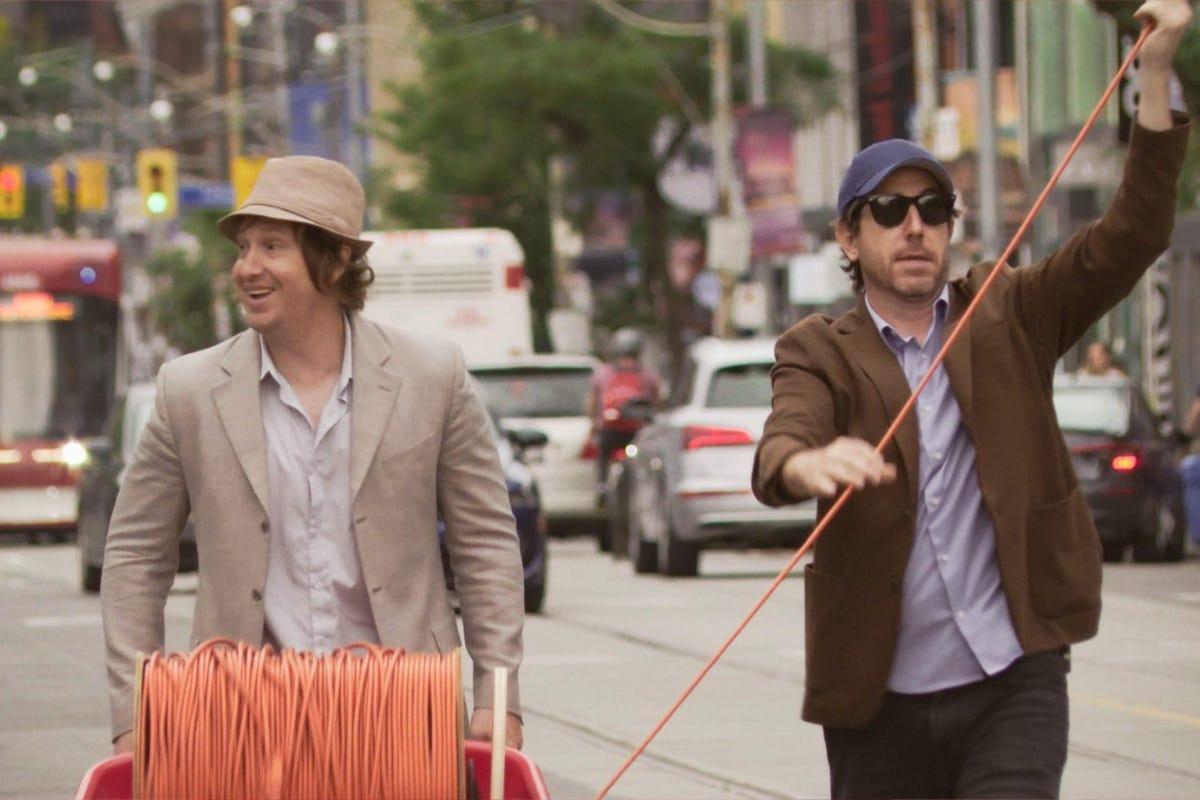
In the film, memory has several purposes. The first is, of course, its emotional context. Both Jay and Matt feel guilty when their memories reveal their mean-spirited treatment of each other, and it’s clear that they regret how they acted. But its second purpose is to provide a chance for self-reflection and growth. These memories are what spur Matt and Jay to take action to reconnect with each other.
While the premise of Nirvanna the Band has always been a Sisyphean loop of Matt and Jay being stuck in the same place, their memories play an important role in indicating their potential for change, even if they do not realize they can access it.
In recent months, I have been trying to break the time loop I felt stuck in during my final year of college. It’s been two months since my last Substack post, but it’s taken me even longer to figure out how to write about spring without memorializing it.
In April, I got sick and lost my voice. The doctors couldn’t figure out what was wrong with me until mid-May. To this day in July, I’m still recovering from the condition.
While grappling with my illness, I realized that I did not have the care I needed in my life. Because my illness wasn’t visible, many people believed I was exaggerating a bad head cold or flu. Fewer people expressed genuine concern, and I continued pretending that it didn’t bother me, gritting my teeth through it all.
I try to write about my sickness objectively, but in reality, it was such a subjective, visceral experience. In this context, my feelings proved to be an inconvenience, a byproduct of my inability to cope with how badly I wanted someone to care the way I have for them.
In recent months, my friendships have drastically changed as I have realized I didn’t like how I was being treated during that period of my life. It’s been difficult to come to the conclusion that I’ve spent the last few years mistaking being tolerated for being cared for.
For the most part, my memories aren’t like those shown in Nirvana: The Band, The Show, The Movie. I don’t look back and think only of the cruelty, even though it’s an unforgettable part of memory.
I look back and remember my old friends washed in sunlight and bright colors. I look back and remember the late nights I stayed up texting them or hanging out in a dorm common room. No matter how much hurt I’m sitting with, I remember every kind thing everyone has ever done for me and wonder which way the emotional debt runs.
Sometimes, memory tastes like regret, tinted in pessimistic black-and-white. Sometimes, memory is a useful tool, allowing me to sit with all the conflicting, messy emotions I feel about everything that has happened to me this year.
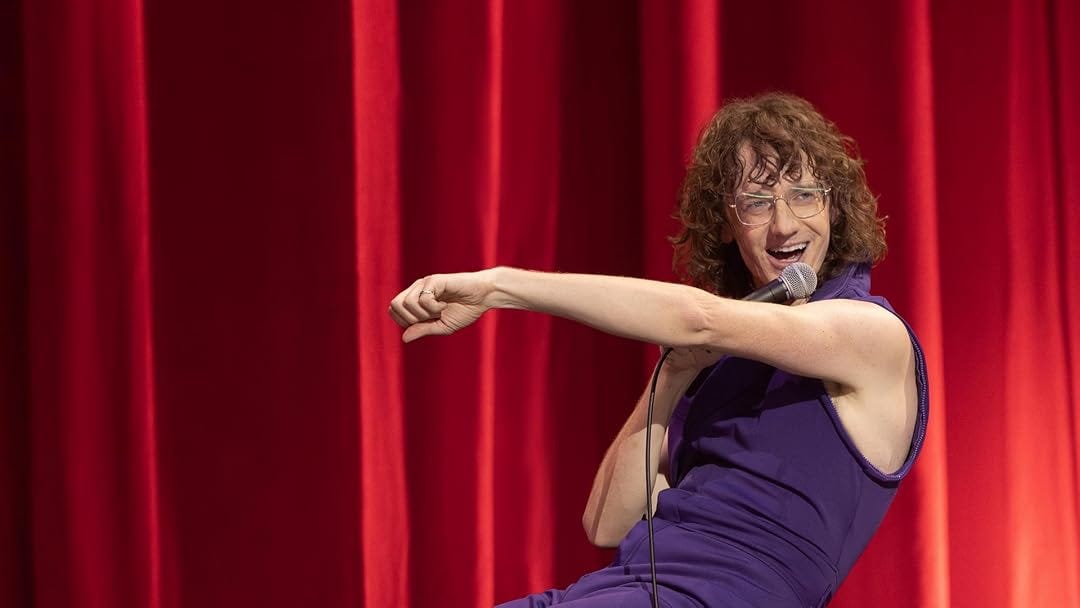
Recently, I watched Chris Fleming’s special on HBO, and he has this bit about how nostalgia used to be considered an illness. There was no scientific explanation for the intense reaction to reminiscing and yearning for the impossible past.
Then perhaps, in this case, memory is indeed a monster, reminding us of everything we once had and can never have again. Or perhaps we can view memory as a teacher, reminding us that we do not have to stay stuck in a specific time in our lives.
The phrase “(dis)comforts of memory” adds a conditional prefix, reminding us that acknowledging memory will not always be comfortable. Yet we must continue living with it anyway.